
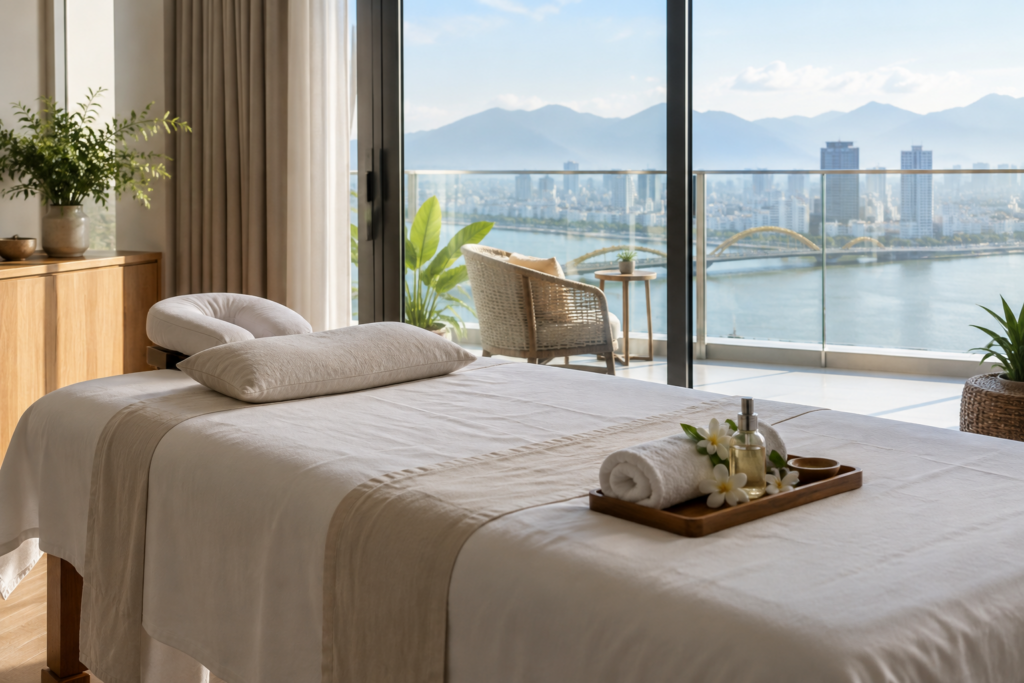
Neck and shoulder massage in Da Nang can be a focused relaxation option after travel, desk work or a long day outdoors. The service name does not tell you exactly which areas, pressure or movements are included, so describe your preferences and ask the therapist to explain the approach. Massage may offer short-term comfort for some people, but it cannot diagnose why pain is happening or guarantee a cure. This guide covers booking, room setup, communication and health considerations for residents and visitors arranging an appointment at home or in suitable accommodation.
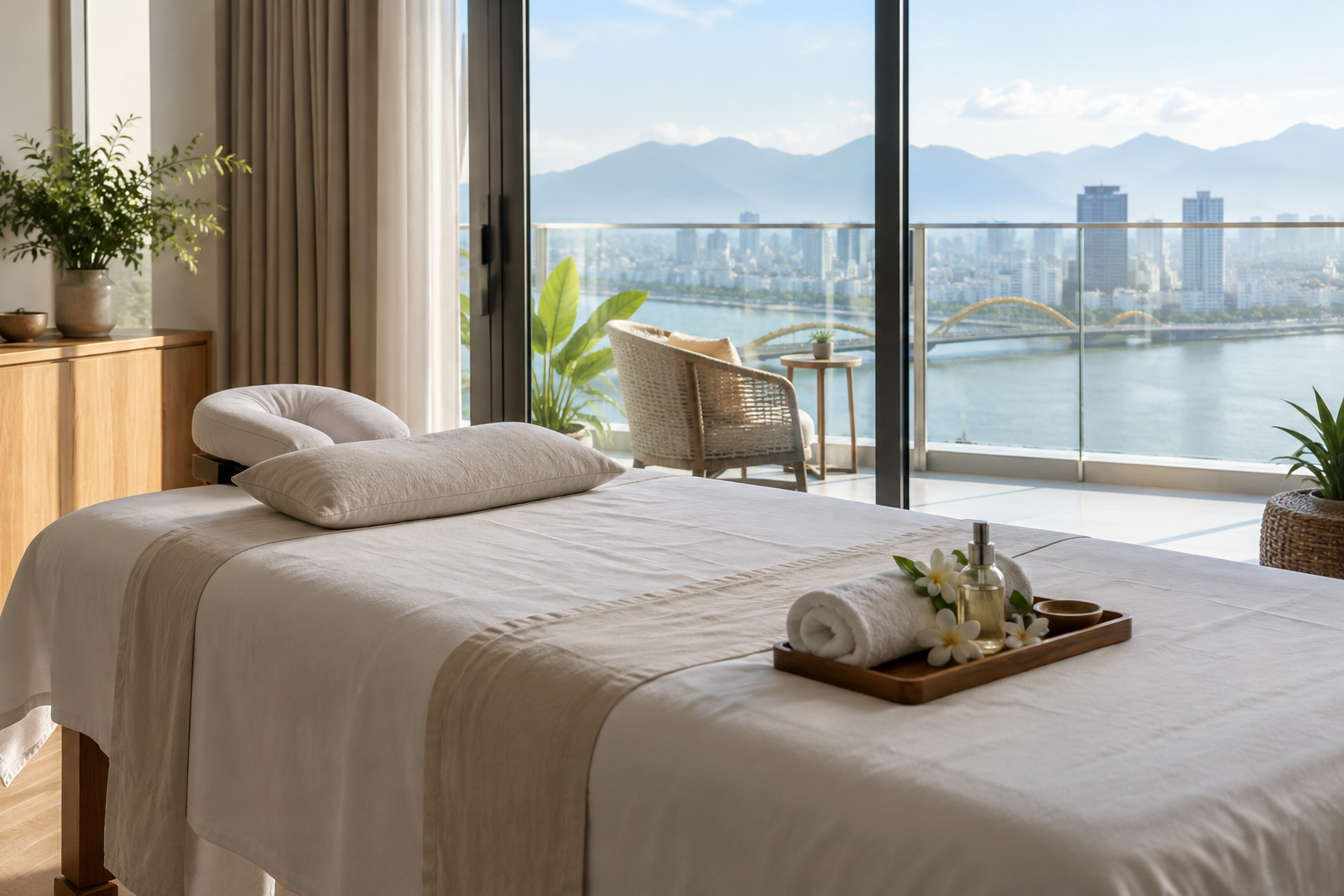
Quick answer: Confirm the exact focus area, pressure, duration and setup; start at a comfortable level and speak up if something hurts. Avoid massage over an acute injury and seek medical advice for severe, persistent or unexplained symptoms.
💡 Tip: Confirm scent and pressure. ⚠️ Stop if the session causes pain or irritation. ✅ Verify the total cost and appointment details. 🔎 Ask for unclear terms in writing.
Neck and shoulder massage Da Nang: What to know
What does a focused session include?
Providers may use “neck and shoulder massage” for a seated treatment, a section of a longer massage or a session that also includes the upper back. Ask which areas will be touched, whether oil is used, what clothing is expected and whether any stretching is included. You can decline any movement or area.
Home Spa Massage describes neck, shoulder and back care among its Da Nang options. Confirm current availability and whether the service can be arranged at your location. For general options, see the Da Nang home spa service page and the existing hotel massage guide. For visitors in an apartment or villa, the Da Nang apartment appointment guide explains property access considerations.
Describe what you want without self-diagnosing
You do not need technical terminology to explain your preference. Say whether you want gentle relaxation, attention to the shoulders or upper back, or a specific area avoided. If a clinician has already given you restrictions, share them. Do not assume that a massage therapist can identify a pinched nerve, correct posture or treat a structural problem based on touch.
Examples of clear requests include:
- “Please start with light pressure.”
- “Avoid the front and sides of my neck.”
- “My right shoulder is sensitive; check with me first.”
- “Please do not stretch or rotate my neck.”
- “Pause if I say stop.”
A professional provider should treat these instructions as boundaries. You can change your mind during the session, even if you agreed to something earlier.
Choose a comfortable pressure and position
Begin at a pressure that feels comfortable and ask for gradual changes. Pressure should not cause sharp pain, tingling, numbness, dizziness or a sense that you need to brace yourself. If it does, say so and request a lighter touch, a different position or a pause.
Ask whether the appointment is performed seated or on a massage table. A seated position may suit a short focused session; a table may be more practical for a broader upper-back treatment. Neither is universally better. Consider what allows you to relax, breathe normally and communicate easily.
NCCIH reviews research on massage for neck and shoulder pain and notes that benefits may be short-term and evidence varies. See the NCCIH massage therapy overview. Persistent pain, pain following an accident or symptoms with weakness or numbness should be assessed by a healthcare professional.
Preparing your Da Nang accommodation
Choose a clean and quiet room with enough space for the agreed setup. Move fragile items, provide a clear route from the entrance and adjust the room temperature. If you are staying at a hotel, resort or villa, ask reception or management whether outside service providers are allowed. Access permission can vary, even within the same city.
Send the exact property name, street address, map pin and entrance instructions. At an apartment, include building and unit details as appropriate, plus lobby registration information. For a hotel room, confirm guest registration, room number sharing and the expected arrival procedure. Do not send sensitive access codes unless necessary; use the property’s normal visitor process.
Ask what equipment and clean linens are brought, whether you need to provide a chair or open floor space and whether oil or fragrance is included. Confirm session duration, total price and any late-hour fee. The website currently lists a charge for appointments after 23:00; confirm the current amount before booking.
Privacy, hygiene and boundaries

Before the massage starts, agree on the body areas, clothing, draping, pressure and product. The areas not being worked on should remain covered in a manner that feels comfortable to you. Ask about fresh linens and product ingredients if you have a skin sensitivity.
Keep valuables secure and let someone you trust know about the appointment if that increases your comfort. A professional in-home service should remain within the agreed wellness scope. You can stop the appointment if behavior or technique departs from what you agreed, then contact the booking provider or appropriate local support.
Health considerations and when to seek care
Avoid massage over a recent injury, open wound, active skin infection or area with significant bruising. Tell the provider about recent surgery, osteoporosis, nerve symptoms, blood-thinning medicine, a bleeding condition or easy bruising. If pregnant, receiving cancer treatment or managing a serious chronic condition, ask a clinician whether massage is appropriate and what pressure or position should be avoided.
Healthdirect’s massage therapy guidance notes that massage may be unsuitable for certain health conditions or require prior advice. NCCIH reports that harmful effects appear uncommon but rare serious cases have occurred, especially with vigorous techniques or in higher-risk people. The article is general information and cannot determine whether massage is safe for you personally.
Seek urgent medical care for sudden weakness, major loss of sensation, severe pain after an accident, chest pain or difficulty breathing. A relaxation appointment is not an appropriate response to an emergency or undiagnosed serious symptom.
What should happen during the session?
The therapist should check the requested areas and pressure before beginning. They should explain any change in position and check in when applying a different level of pressure. You can ask questions, request a pause or end the session at any time. If you feel unwell, dizzy or uncomfortable, stop and sit or lie in a safe position.
Afterward, take a moment before standing. Mild short-lived tenderness can occur, but worsening pain or new neurological symptoms should not be dismissed as normal. Contact a clinician if you are concerned.
Booking checklist for Da Nang
Share the following before confirming:
- Exact location and property access instructions.
- Preferred date and arrival time.
- Number of guests and desired appointment length.
- Whether you want neck and shoulders only or the upper back too.
- Pressure, oil and scent preferences.
- Any area to avoid or health concern the provider should know.
- Final price, possible additional fees and booking confirmation.
For hotel or resort visits, get property approval first. Confirm the therapist, service and total cost in writing so there is a clear shared plan.
FAQ: Frequently asked questions
Can neck and shoulder massage help tension?
Some people find massage relaxing, and research suggests possible short-term benefits for certain neck or shoulder pain. Results vary; persistent symptoms need clinical evaluation.
Should I request deep pressure?
Only if it is comfortable and appropriate for you. Start gently, especially if you are tired or have not had a session before. Strong pressure is not required for relaxation.
Can the therapist manipulate or crack my neck?
Do not assume this is part of massage. Ask what movements are included and decline any technique you do not want. Forceful neck movement should not be performed without appropriate professional scope and informed agreement.
Is this service available at Da Nang hotels?
The website describes hotel appointments, but each property’s rules and current provider availability differ. Confirm with the hotel and the service before scheduling.
What if I have a recent neck injury?
Do not massage the area without medical advice. Contact a healthcare professional, especially if pain is severe or movement is limited.
Can I ask the therapist to avoid my neck?
Yes. Explain your preference before the massage and repeat it if needed. You can request changes or stop at any point.
After flights, driving and long days outdoors
Long periods sitting on a flight or in a car can leave some people feeling stiff, while carrying luggage or a daypack may make the shoulders tired. Describe that as context, not as a diagnosis. If pain began after a fall, is severe, or is accompanied by weakness or numbness, ask a clinician before booking. A massage provider should not try to identify the cause based only on how a muscle feels.
If you are simply looking to relax after travel, consider a gentle session and allow time to rest afterward. Avoid scheduling massage when you are rushing to catch a flight. If a long excursion is planned, consider booking after you have returned and can rest rather than immediately before carrying luggage again.
Adjust the room for communication
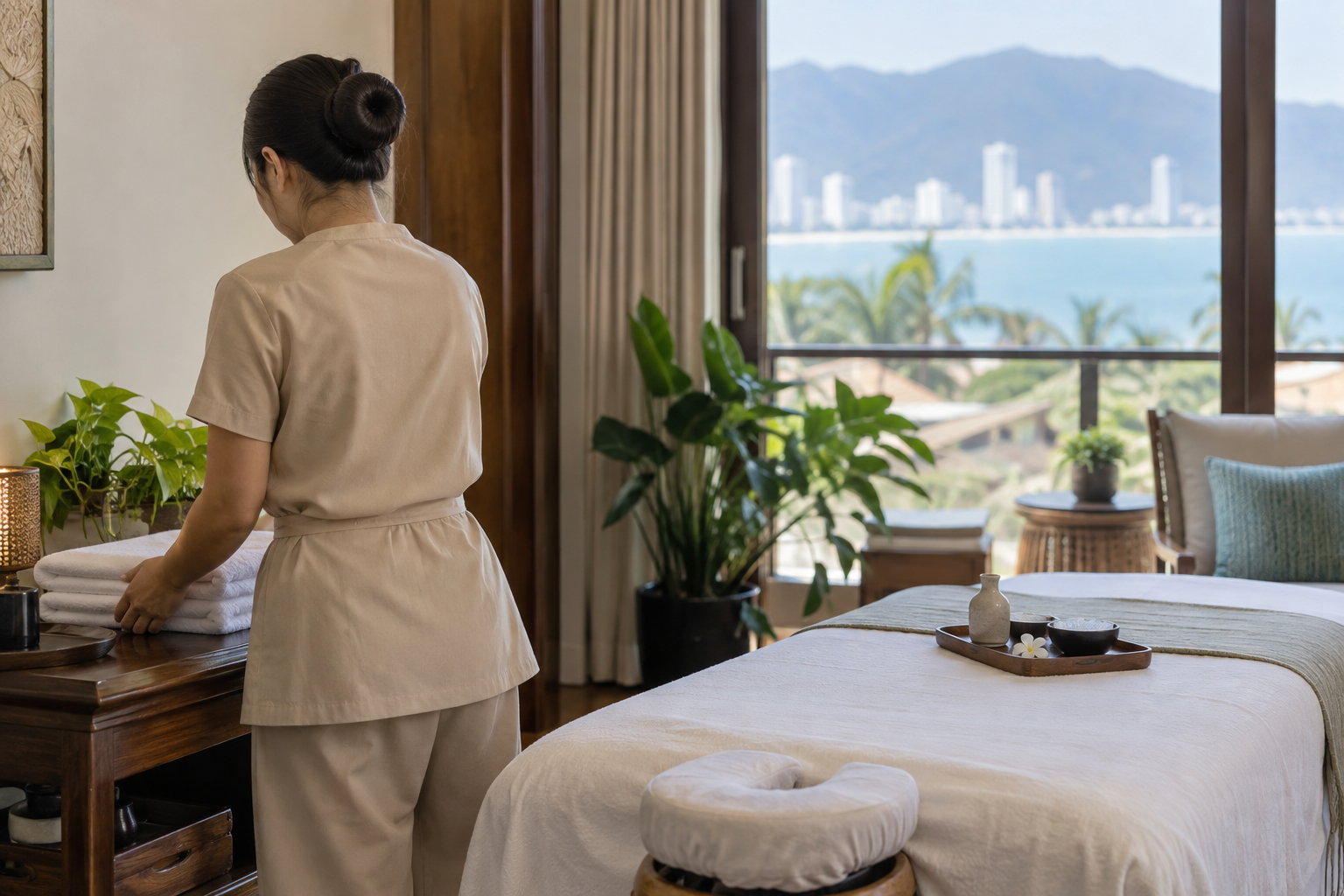
Set the phone within reach and agree on a clear way to pause. If the massage is table-based, ask the therapist to explain how you can signal while face down. A comfortable face rest and neutral neck position may matter; tell the therapist if breathing or positioning feels restricted. You can request a seated setup if it suits you better and the provider offers it.
Keep the room quiet enough to hear check-ins. If another guest is present, agree on privacy and whether they will stay in the room. For a hotel, a friend can meet the therapist at the lobby if the property requires it, but confirm the process with reception first.
Avoid overpromising results
An article or service page should distinguish relaxation from treatment. Massage research covers several types of pain and has different levels of certainty; short-term comfort does not show that the underlying cause is resolved. The NCCIH evidence summary provides a careful overview. If you need treatment for a diagnosed injury, ask your clinician whether massage is appropriate and what methods to avoid.
After the appointment, note how you feel and seek care if symptoms are unusual or worsen. Do not interpret temporary soreness as a sign that the therapist found the “right spot.” A safe service prioritizes comfort and responds to your feedback.
Make the final confirmation specific
Before arrival, repeat the agreed areas, pressure, duration, scent preference and total fee. Mention any updated hotel access details or health restriction. Ask the booking contact to confirm the therapist and expected arrival window. If the person who arrives or the service offered differs from the confirmation, pause and contact the provider before starting.
Decide whether a focused session fits your day
If you want a brief relaxation break, ask whether the provider offers a session limited to the shoulders and upper back. If the appointment is part of a longer massage, ask how time is divided so you know whether your priority area receives enough attention. Confirm whether setup is included in the quoted minutes. These questions prevent disappointment without requiring you to know specialized massage terminology.
Consider your schedule after the session. If you need to carry luggage, ride a motorbike or go straight into strenuous activity, a massage may not be the most practical time slot. Plan for a short period to rest and move normally afterward. If symptoms make ordinary movement difficult, consult a clinician rather than trying to “loosen” the area through strong pressure.
For repeat bookings, note what felt comfortable and what did not. Share that information with the provider next time, but continue to follow any medical restrictions that have changed since the previous visit.
A focused session should follow your boundaries
Neck and shoulder massage Da Nang is best planned through a clear conversation about the area, position, pressure, products and accommodation access. Choose a comfortable approach, share relevant health information and do not use massage as a substitute for diagnosis. Contact Home Spa Massage to confirm live availability, price and location coverage; wait for the details before treating the appointment as booked.